
Target Audience:
⧫ Physical Therapists
⧫ Physical Therapist Assistants
Course Description:
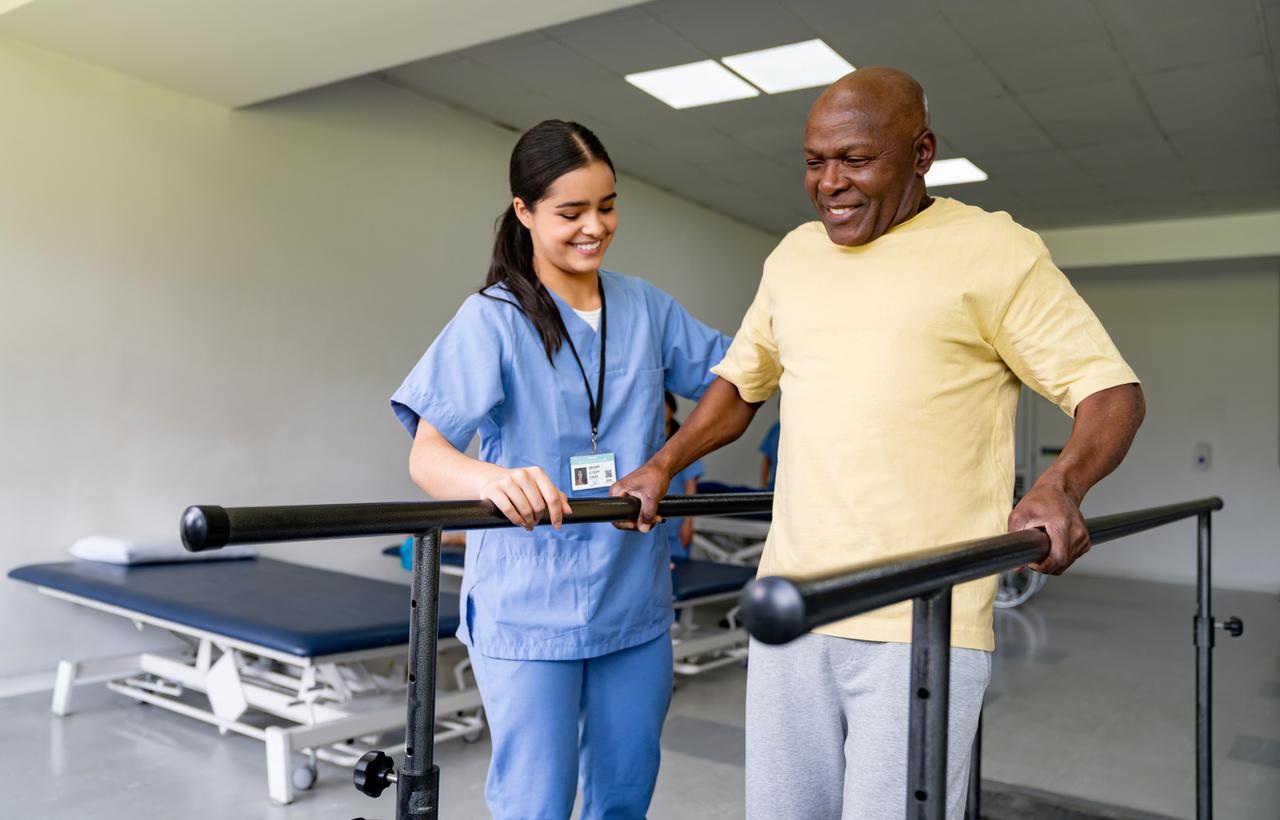
Walking is a primary goal in neurorehabilitation, yet clinicians often need to make rapid decisions about gait in complex and time-limited environments. This lab-based course provides a practical framework for observing gait, identifying key movement contributors, and applying targeted, hands-on interventions. Two hours of pre-recorded online content covering normal and abnormal gait cycle review, neuroplasticity principles and outcome measures provides the foundation to effectively participate in the onsite portion of the course. The intensive and fully active onsite course allows participants to work through common gait challenges across neurological populations, including ataxia, shuffling and Parkinsonian gait patterns, and presentations involving unilateral and bilateral weakness across a range of assistance levels, including patients requiring maximal support. Emphasis is placed on functional movement, clinical reasoning, and progression of intervention across levels of assistance and practice settings. Designed for physical therapists and physical therapist assistants working with adults with neurological diagnoses, this course spans acute care, inpatient rehabilitation, skilled nursing, and outpatient settings. Completion of pre-recorded, online content is required for participation in the onsite lab day.
Course Objectives:
At the conclusion of this course, participants should be able to:
- Describe common gait deviations observed in individuals with neurological conditions across varying levels of function.
- Interpret gait patterns by linking observed movement to underlying contributing factors, including weakness, coordination deficits, and movement system impairments.
- Adapt hands-on interventions to address gait impairments across a range of assistance levels, including patients requiring maximal support.
- Implement effective strategies for common gait presentations, including ataxia and shuffling or Parkinsonian gait patterns.
- Utilize outcome measures to inform clinical decision-making and guide progression of gait interventions.
- Develop gait interventions to meet the needs of individuals across different clinical settings and levels of function.
At the conclusion of this activity, participants will be asked to quantitatively assess the achievement of the educational objectives